
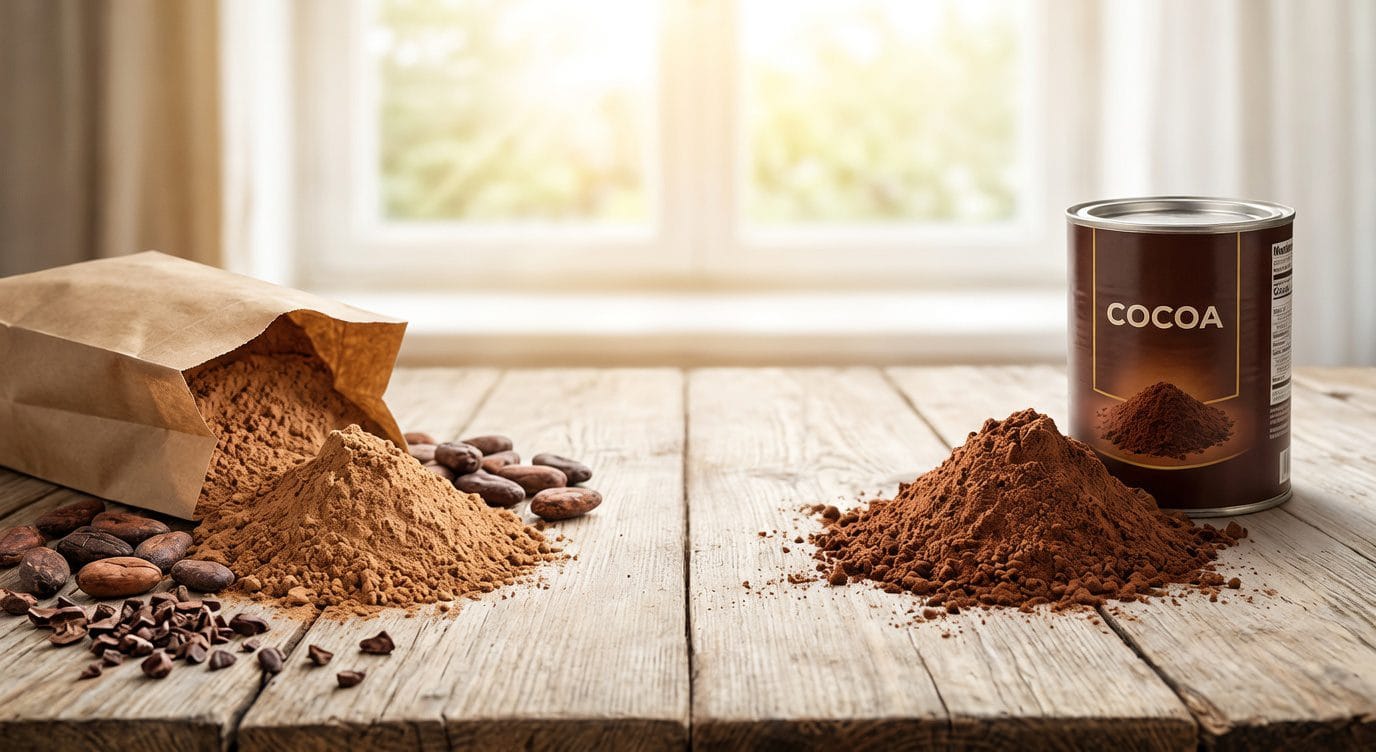
Cocoa Powder vs Cacao: What’s the Difference?
Table of Contents
Cocoa Powder vs Cacao: What’s the Difference?
Have you ever craved a cup of rich, velvety hot chocolate that’s far superior to store-bought mixes? Making luxurious hot chocolate at home isn’t just simple it’s a transformative experience that will forever change how you enjoy this classic comfort drink. The secret lies in understanding the difference between cocoa powder cacao and selecting the right ingredients for that perfect balance of richness and sweetness. Many people wonder about cocoa powder vs cacao when crafting the perfect cup, and we’ll explore how each affects the flavor profile and nutritional value of your hot chocolate.
Ingredients
– 2 tablespoons high-quality unsweetened cocoa powder or raw cacao powder
– 1-2 tablespoons sugar (adjust to taste; substitute with maple syrup or honey)
– Pinch of salt (enhances chocolate flavor)
– 2 cups milk of choice (whole milk for richness, almond/oat milk for dairy-free)
– ¼ teaspoon vanilla extract
– Optional: ¼ teaspoon cinnamon
– Optional: 1 oz chopped dark chocolate (70-85% cocoa)
– For garnish: whipped cream, marshmallows, chocolate shavings, or cinnamon stick
Prep Time & Cooking Schedule
Prep time: 5 minutes
Cooking time: 10 minutes
Total time: 15 minutes
Servings: 2 cups
This quick recipe is perfect for spontaneous cravings or planned cozy evenings. The beauty of homemade hot chocolate is that it comes together in minutes but tastes like you’ve spent hours perfecting it. For an even richer experience, prepare the dry ingredients mix ahead of time and store it in an airtight container.
Step-by-Step Instructions
1. Create the chocolate base: In a medium saucepan, whisk together the cocoa powder cacao, sugar, and salt until well combined. This prevents lumps from forming later.
2. Add liquid gradually: Add about ¼ cup of milk to form a smooth paste, whisking continuously until all lumps disappear. Understanding cocoa powder vs cacao helps here – cacao may require more vigorous whisking as it’s less processed and sometimes coarser.
3. Heat the mixture: Pour in the remaining milk while whisking. Heat over medium-low heat, stirring frequently to prevent scalding.
4. Enhance the flavor: When the mixture is hot but not boiling (around 180°F if you have a thermometer), remove from heat and stir in vanilla extract and cinnamon if using.
5. Add richness (optional): If using chopped chocolate, add it now and stir until completely melted and incorporated.
6. Serve: Pour into mugs and top with your choice of garnishes.
Nutritional Information
Per serving (1 cup, made with whole milk and 1 tablespoon sugar):
– Calories: 190
– Protein: 9g
– Carbohydrates: 18g
– Fat: 10g
– Fiber: 2g
Using raw cacao instead of processed cocoa powder increases antioxidant content and provides more magnesium, iron, and zinc. Dark chocolate adds heart-healthy flavanols.
Tips, Variations & Substitutions
– Mexican hot chocolate: Add ¼ teaspoon cinnamon and a pinch of cayenne pepper
– Mint chocolate: Add ¼ teaspoon peppermint extract
– Mocha: Add 1 teaspoon instant espresso powder
– Adult version: Add 1 oz bourbon, rum, or Baileys Irish Cream
– Keto-friendly: Use unsweetened almond milk and sugar-free sweetener
– Extra rich: Replace ½ cup milk with heavy cream
Common Mistakes to Avoid
1. Boiling the mixture: This can cause the milk to separate and the chocolate to develop a bitter taste. Keep temperature below simmer.
2. Adding all ingredients at once: This leads to lumps. Always create a paste first before adding remaining liquid.
3. Using low-quality chocolate: The quality of your cocoa/cacao significantly impacts flavor. Invest in good quality ingredients.
4. Skipping the salt: Even a tiny pinch enhances chocolate flavor dramatically.
Storage & Reheating Tips
– Store leftover hot chocolate in an airtight container in the refrigerator for up to 3 days.
– Reheat gently on the stovetop over low heat, whisking occasionally to reconstitute.
– For make-ahead mix, combine all dry ingredients and store in an airtight container for up to 3 months.
– Avoid microwave reheating which can create uneven hot spots and skin formation.
Conclusion
Mastering homemade hot chocolate using quality cocoa powder cacao transforms an ordinary drink into an extraordinary treat that nurtures both body and soul. Understanding the differences in cocoa powder vs cacao helps you make informed choices about the flavor profile and health benefits you’re seeking. Whether you prefer a classic recipe or one of the exciting variations, this homemade version will quickly become a cherished favorite. We’d love to hear how your hot chocolate turned out! Share your experience in the comments below or explore our other warm beverage recipes for more cozy inspiration.
FAQs
Can I use chocolate chips instead of cocoa powder?
Yes, substitute ¼ cup chocolate chips for the cocoa powder, but reduce added sugar as chocolate chips already contain sugar.
Why is my hot chocolate grainy?
This typically happens when the mixture is heated too quickly or the cocoa wasn’t properly dissolved. Always start with a smooth paste before adding the remaining milk.
Is hot chocolate made with cacao healthier?
Raw cacao contains more antioxidants and nutrients than processed cocoa powder, making it a slightly healthier option with a more robust flavor profile.
How can I make my hot chocolate thicker?
Add 1 teaspoon of cornstarch mixed with a little cold milk before heating, or use 1-2 tablespoons of chocolate ganache.
Can I make this recipe vegan?
Absolutely! Use any plant-based milk, ensure your chocolate is dairy-free, and top with coconut whipped cream instead of dairy whipped cream.