
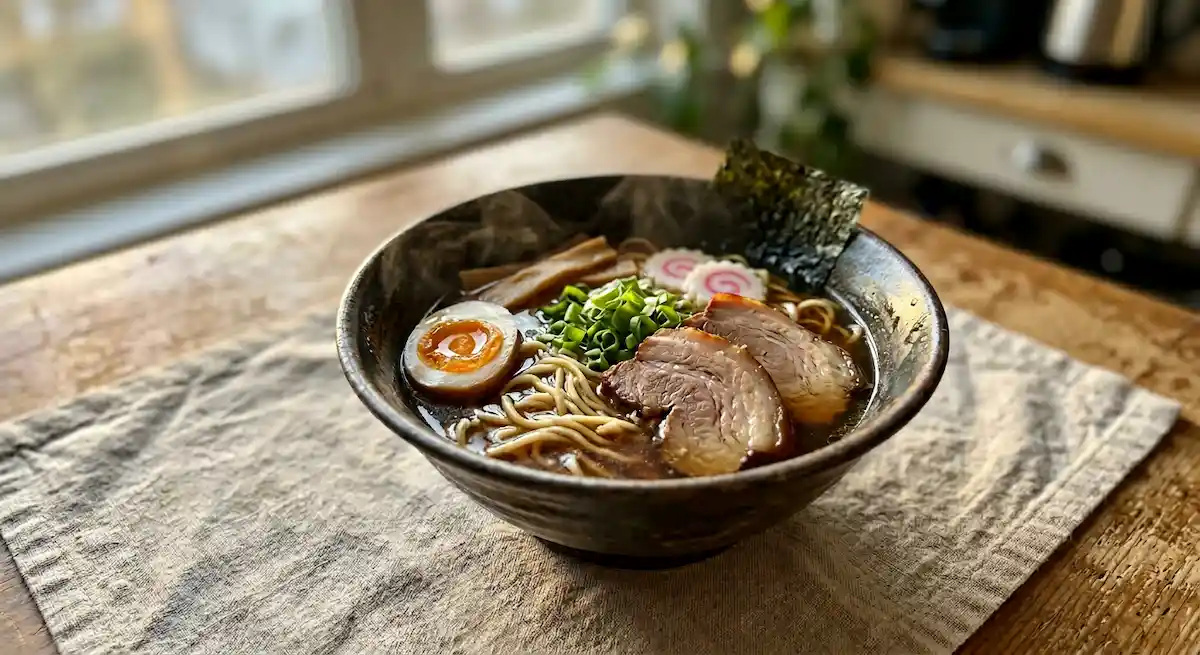
How to Make the Perfect Ramen Noodle Bowl: 5 Simple Steps
Picture this: it’s a chilly evening, and you’re craving that steaming, soul-hugging ramen noodle bowl from your favorite spot downtown.
But here’s the thingyou don’t need to leave your house or spend fifteen bucks to get it.
I’m going to let you in on a little secret: making an incredible ramen noodle bowl at home is way easier than you think, and honestly? It’s kind of fun.
You won’t need fancy equipment or ingredients you can’t pronounce. Just good stuff, simple techniques, and about thirty minutes.
Trust me, once you nail this, you’ll be the person everyone texts when they want to know how to make restaurant-quality ramen at home.
Table of Contents
What is Ramen Noodle Bowl
Let’s clear something up right away: a ramen noodle bowl is so much more than those little packets you survived on in college.
Real ramen is basically edible art a gorgeous combination of springy wheat noodles, deeply flavored broth, tender protein, and toppings that look almost too pretty to eat.
Almost.
The magic happens when four key elements come together perfectly. First, there’s the broth, which is basically the soul of your bowl.
It can be light and delicate or rich and creamy, depending on what you’re craving. Then you’ve got the noodles themselves those beautiful, slightly chewy strands that soak up all that brothy goodness.
Your protein adds substance and makes it feel like a real meal, not just soup.
And finally, the toppings aren’t just there to look cute (though they absolutely do). They add pops of flavor, color, and different textures that make every single bite interesting.
Here’s what I love most about a ramen noodle bowl: you can make it completely your own.
Feeling something light and fresh? Go for it. Want something rich that sticks to your ribs? You got it.
Plus, when you make it yourself, you control everything the salt level, the quality of ingredients, all of it.
You get all the authentic flavors without any of the stuff you don’t want.
Why You Will Love This Ramen Noodle Bowl
Okay, so why should you try this particular ramen noodle bowl recipe when there are literally thousands out there?
Simple: this one actually works for real life.
I’m not going to ask you to simmer pork bones for twelve hours or hunt down ingredients at three different specialty stores.
This recipe gives you that deep, complex flavor you’re after without requiring you to quit your day job.
The broth develops serious depth in a fraction of the typical time, thanks to some clever layering of umami-rich ingredients.
And honestly? This recipe is super forgiving.
Forgot to grab something at the store? No worries you can swap things out and it’ll still turn out great.
Whatever protein you’ve got in the fridge works perfectly. Same goes for vegetables.
Whether you’re cooking for just yourself (hello, Tuesday night dinner) or making enough for the whole family, the recipe scales beautifully without any weird math.
But here’s my favorite part: when you set down a gorgeous ramen noodle bowl with all the toppings arranged just so, people think you’re some kind of culinary genius.
They’ll be completely blown away when you tell them it took you less than thirty minutes.
It looks like something you’d pay good money for at a trendy restaurant, but you made it in your own kitchen.
That feeling never gets old, I promise.
Ingredients
Let’s talk about what you’ll need to create your amazing ramen noodle bowl.
Don’t let the list intimidate you most of this stuff keeps forever in your pantry, so it’s a one-time investment.
Main Ingredients
| Ingredient | Amount | Notes |
|---|---|---|
| Ramen noodles (fresh or dried) | 8 oz | Fresh are amazing, but dried work great too |
| Chicken or vegetable broth | 6 cups | Low-sodium lets you control the saltiness |
| Soy sauce | 3 tablespoons | Regular or low-sodium, whatever you prefer |
| Miso paste | 2 tablespoons | White is mild, red is bolder both delicious |
| Sesame oil | 1 tablespoon | Get the toasted kind for maximum flavor |
| Fresh ginger | 2 tablespoons, minced | Game-changer seriously don’t skip this |
| Garlic | 4 cloves, minced | Because garlic makes everything better |
| Green onions | 4 stalks | Use the whole thing, white and green parts |
| Protein of choice | 12 oz | Chicken, pork, tofu, shrimp your call |
| Soft-boiled eggs | 2-4 eggs | These jammy eggs are pure heaven |
Optional Toppings
| Ingredient | Amount | Notes |
|---|---|---|
| Corn kernels | 1/2 cup | Adds little bursts of sweetness |
| Bean sprouts | 1 cup | For that perfect fresh crunch |
| Nori seaweed | 2-4 sheets | Cut into strips for authentic vibes |
| Mushrooms | 1 cup, sliced | Shiitake brings serious umami |
| Bamboo shoots | 1/2 cup | Classic topping with subtle flavor |
| Chili oil or sriracha | To taste | For those who like it hot |
Look, the ingredients in a ramen noodle bowl aren’t random they’re actually working together like a really good band.
The miso and soy sauce create that savory, can’t-quite-put-your-finger-on-it depth. The ginger and garlic wake everything up with brightness and aroma.
And those toppings? They’re doing important work too, adding different textures and flavors so your mouth never gets bored.
Every bite should feel like a little adventure.
How to Make Ramen Noodle Bowl Step by Step
Alright, let’s get cooking! I’m going to walk you through this step by step, and I promise it’s more straightforward than you think.
Step 1: Prepare Your Broth Base
Grab a large pot and heat it over medium heat. Add your sesame oil and let it warm up until it shimmers a bit.
Now toss in that minced garlic and ginger. Stir it around constantly for about a minute you’ll know it’s ready when your kitchen starts smelling absolutely incredible.
Just don’t let it turn brown, because that tastes bitter and nobody wants that.
Pour in your chicken or vegetable broth and bring everything to a gentle simmer. Add the soy sauce and let it all heat through.
Here’s the key: keep it at a simmer, not a full-on boil. A gentle simmer keeps your broth clear and preserves all those delicate flavors you’re building.
Think of it as a warm bath for your ingredients, not a roller coaster.
Step 2: Incorporate the Miso
Once your broth is happily simmering away, grab a small ladle and scoop out some of the hot broth into a separate bowl.
Add your miso paste to this small amount and whisk it like crazy until it’s completely smooth and lump-free.
This little trick is crucial it prevents those annoying clumps of miso that never quite dissolve.
Now pour that silky miso mixture back into your pot and give it a gentle stir.
Here’s something super important: never, ever let miso boil. High heat basically kills all the good stuff—the probiotics, the complex flavors, everything that makes miso special.
Keep it at that gentle simmer from here on out, and you’ll be golden.
Step 3: Cook Your Protein
While your broth is doing its thing, let’s handle the protein separately. This gives you way more control over texture and seasoning.
If you’re using chicken, slice it thin and sear it in a hot skillet with a little oil until it’s golden and cooked through. So juicy, so good.
Pork loves the same treatment, though I like to give it a quick marinade in soy sauce and ginger first just five minutes makes a difference.
For my tofu lovers, press that tofu really well to get the moisture out, then pan-fry it until it’s crispy on all sides. It’s like little flavor sponges.
Shrimp? Super easy. Just sauté them until they turn pink and opaque, which takes like three minutes tops.
Cooking your protein separately means each element of your ramen noodle bowl gets the attention it deserves.
Step 4: Perfect Your Soft-Boiled Eggs
Okay, I know soft-boiled eggs sound fancy, but they’re genuinely easy once you know the trick.
Bring a small pot of water to a rolling boil. While that’s happening, get an ice bath ready just a bowl with ice water.
Carefully lower your eggs into the boiling water with a slotted spoon (don’t just drop them in or they might crack).
Set a timer for exactly six and a half minutes. Not six, not seven six and a half gives you that perfect jammy yolk.
The second that timer goes off, move those eggs to the ice bath. This stops them from cooking further.
Let them hang out in the ice bath for about five minutes to cool down completely, then peel them under cool running water.
The result? A firm white with a luscious, creamy center that’ll make your ramen noodle bowl absolutely luxurious.
Step 5: Cook Noodles and Assemble
Now for the grand finale! Cook your ramen noodles according to the package directions usually three to four minutes for fresh, four to five for dried.
Drain them well, but here’s a pro tip: don’t rinse them. That starchy coating helps the broth cling to every strand.
Divide your noodles among serving bowls. This is where it gets fun.
Ladle that gorgeous, aromatic broth over the noodles, making sure each bowl gets plenty. You want those noodles swimming happily.
Now comes the part where you get to be an artist. Arrange your protein, those beautiful halved soft-boiled eggs, and all your chosen toppings on top.
Scatter some sliced green onions, add your veggies, maybe drizzle some chili oil if you’re feeling spicy.
Take a second to appreciate how gorgeous your ramen noodle bowl looks. Snap a picture if you want it deserves it.
Then dig in while it’s hot!
Storage and Make-Ahead Tips
Here’s some good news: you can absolutely prep parts of this ramen noodle bowl ahead of time to make your life easier.
The broth actually gets better after sitting in the fridge overnight all those flavors get to know each other better.
Store it in an airtight container for up to five days, or freeze it in portions for up to three months.
Having frozen broth on hand means you’re basically twenty minutes away from an amazing meal anytime.
Those soft-boiled eggs? Make a bunch on Sunday and you’re set for the week.
They’ll keep in the fridge for up to four days, either in their marinade or just plain in a covered container.
Same deal with your protein cook it ahead, store it separately, and just warm it up when you’re ready to eat.
But listen carefully: never, ever store cooked noodles in the broth. They’ll turn into mush and absorb all your beautiful broth.
Instead, keep them separate and just reheat them quickly in hot water before assembling your ramen noodle bowl.
It takes an extra thirty seconds but makes all the difference.
For toppings, prep them and store everything in individual containers. Keep your sliced green onions wrapped in a slightly damp paper towel.
Store corn, bean sprouts, and other veggies separately in the fridge.
Then when dinner time rolls around, you just reheat your broth, warm your protein, cook fresh noodles, and boom you’re assembling a gorgeous ramen noodle bowl in minutes.
All the convenience of meal prep, none of the sad, soggy leftovers.
Common Mistakes and How to Fix Them
Let me save you from some mistakes I’ve definitely made while perfecting my ramen noodle bowl game.
First up: overcooking the noodles. Ramen noodles go from perfect to gummy in like thirty seconds.
Cook them separately from the broth and add them at the last possible minute.
If you accidentally overcook them, I hate to say it, but there’s no coming back from mushy noodles. Timing matters here.
Another trap people fall into is dumping the miso paste directly into boiling broth.
I get it it seems faster. But high heat completely destroys what makes miso special, leaving you with flat, sometimes bitter flavor.
Always dissolve it in a bit of warm broth first, then add it back to the pot and keep things at a gentle simmer.
This one trick totally transforms your ramen noodle bowl from “meh” to “wow.”
Here’s something else I see all the time: throwing all the toppings in at once without thinking about texture.
If you add delicate stuff like bean sprouts too early, they’ll wilt into sad little strings instead of staying crisp and fresh.
Nori gets soggy if it sits too long in hot broth. Add these heat-sensitive toppings right before you serve.
Oh, and don’t forget to season each component individually! Your broth might taste perfect, but if your protein is bland, the whole ramen noodle bowl feels off.
Season your chicken or pork while you’re cooking it. Give your tofu some love.
When every element tastes good on its own, they come together in perfect harmony.
Variations
One of my favorite things about a ramen noodle bowl is how endlessly customizable it is. Let’s talk about some fun variations.
Going vegetarian? Use vegetable broth and throw in some dried shiitake mushrooms while it simmers they add crazy-good umami depth.
Let them hang out in there for about fifteen minutes to extract all that earthy, savory goodness.
Swap your protein for crispy pan-fried tofu, tempeh, or even edamame. Honestly, it’s just as satisfying as the meat versions.
Maybe you’re craving something with serious heat? Try making a tantanmen-style ramen noodle bowl with ground pork cooked with spicy bean paste.
Top it with a generous drizzle of chili oil and watch your taste buds wake up.
You could also mix some gochugaru (those Korean red pepper flakes) right into your broth for a heat that builds slowly and warmly.
For a creamy, luxurious broth, whisk a tablespoon of tahini or peanut butter in with your miso.
It creates this rich, nutty base that’s absolutely addictive kind of like tantanmen or Dan Dan noodles.
Or here’s a wild idea: make it cold for summer! Cook and chill your noodles, serve them with a cold broth made from dashi, soy sauce, and rice vinegar.
Top with cucumber ribbons, cherry tomatoes, and cold shrimp for something totally refreshing.
Want to go full seafood? Use fish stock as your base and load it up with shrimp, scallops, and fish cake.
Basically, your ramen noodle bowl can be whatever you’re in the mood for. That’s the beauty of it.
Serving Suggestions
A ramen noodle bowl is definitely filling enough to be your whole meal, but sometimes it’s fun to round things out with a few sides.
Gyoza are my absolute favorite accompaniment those crispy-bottomed dumplings are basically made to go with ramen.
Whether you steam them, pan-fry them, or boil them, they add this awesome textural contrast.
Edamame tossed with a little sea salt is another great option. It’s light, protein-packed, and doesn’t compete with your main event.
If you want to get a little fancy, whip up some quick pickled vegetables. Cucumbers, daikon, or cabbage work great.
They add this bright, tangy element that cuts right through the richness of your broth.
The best part? They take like fifteen minutes to make and you can prep them ahead.
A simple seaweed salad is another winner adds minerals and that pleasant ocean-y flavor without being overwhelming.
Let’s talk drinks for a second. Green tea is classic for a reason it cleanses your palate without getting in the way of the flavors.
I love it hot or iced, depending on the weather.
If you want something with a little more personality, grab a light Japanese beer or some slightly chilled sake.
For non-alcoholic options, try barley tea or one of those sparkling yuzu drinks.
Whatever you choose, keep your sides simple so your gorgeous ramen noodle bowl stays the star of the show where it belongs.
Frequently Asked Questions
Can I use instant ramen noodles for a ramen noodle bowl?
Absolutely! Just ditch that flavor packet and use your homemade broth instead trust me, it’s a million times better.
The noodles themselves are totally fine and will save you some time.
That said, if you can get your hands on fresh ramen noodles from the refrigerated section of an Asian grocery store, do it.
They have this amazing chewy texture that dried noodles just can’t quite match. But dried works perfectly well too—I use them all the time.
What’s the best protein for a ramen noodle bowl?
Honestly? Whatever you like best or already have in your fridge.
Traditional ramen often features sliced pork belly (chashu), which gets ridiculously tender when braised and adds richness to every bite.
Chicken thigh is my go-to for weeknights because it stays juicy and flavorful without much fuss.
Shrimp cooks crazy fast and keeps things lighter. For plant-based options, marinated tofu or tempeh are genuinely delicious.
There’s no wrong answer here pick what makes you happy, because any of these will make your ramen noodle bowl amazing.
How do I make my broth more flavorful?
Great question! Building flavor in broth is all about layering.
Start with good-quality stock instead of water that’s your foundation. Then boost it with umami bombs like dried shiitake mushrooms, kombu seaweed, or bonito flakes.
Let these ingredients simmer gently for fifteen to twenty minutes to extract all their flavor magic.
Don’t skimp on the aromatics either that ginger and garlic are doing serious work.
Finally, taste as you go and adjust your soy sauce and miso until it hits that perfect savory sweet spot.
Can I make a ramen noodle bowl dairy-free?
You’re in luck traditional ramen noodle bowl recipes are naturally dairy-free!
They get their richness from broth, soy sauce, miso, and sesame oil rather than cream or butter.
Some modern fusion versions add butter or milk, but the classic approach doesn’t need any dairy whatsoever.
Just double-check your ingredients to make sure there’s nothing sneaky hiding in there.
The miso paste and sesame oil give you all the richness and body you could want.
How spicy should a ramen noodle bowl be?
That’s completely up to you and whoever you’re feeding!
Traditional ramen can range from totally mild to moderately spicy, depending on the regional style.
I always start conservative with the chili oil or sriracha, then let everyone add more at the table.
This way, spice lovers can go wild while people with more delicate palates can enjoy it too.
Remember, you can always add heat, but you can’t take it back once it’s in there. Start small and build up.
What makes the eggs in ramen so special?
Oh man, those eggs are pure magic! It’s all about the timing and optional marinade.
Cooking them for exactly six to seven minutes gives you that perfect jammy yolk set around the edges but still creamy in the middle.
Then a lot of recipes marinate the peeled eggs in soy sauce, mirin, and water for several hours or overnight.
This seasons them all the way through and gives them that beautiful amber color.
When you bite into one in your ramen noodle bowl, it’s just heaven creamy, savory, perfect.
Can I freeze leftover ramen noodle bowl?
You can definitely freeze the broth, and I highly recommend it for easy future meals.
But don’t freeze the whole assembled bowl with noodles and toppings that’s a recipe for disappointment.
Noodles get mushy and gross when frozen and thawed, and vegetables lose all their nice texture.
Instead, freeze just the broth in individual portions. Then when you want ramen noodle bowl, you thaw the broth and make fresh noodles and toppings.
You get the convenience without sacrificing any of the quality that makes ramen so good.
Making an authentic ramen noodle bowl at home might seem intimidating at first, but I promise it becomes second nature once you get the hang of it.
The first time might take you a bit longer as you figure out the flow, but by the third or fourth time? You’ll be moving through it like a pro.
What I love most about making my own ramen noodle bowl is the control and creativity it gives you.
You’re not stuck with whatever the restaurant decided to put in it. You can make it exactly how you want it—spicier, milder, loaded with vegetables, extra protein, whatever.
Plus, there’s something really satisfying about setting down a gorgeous bowl of ramen that you made with your own hands.
Whether you’re making it for yourself after a long day or impressing friends at dinner, it always hits the spot.
Start with this basic recipe and get comfortable with the technique. Then experiment with the variations until you find your perfect combination.
Before you know it, you’ll have your signature ramen noodle bowl down to a science, and people will be asking you to teach them how to make it.
Now go make yourself some amazing ramen you’ve got this!