
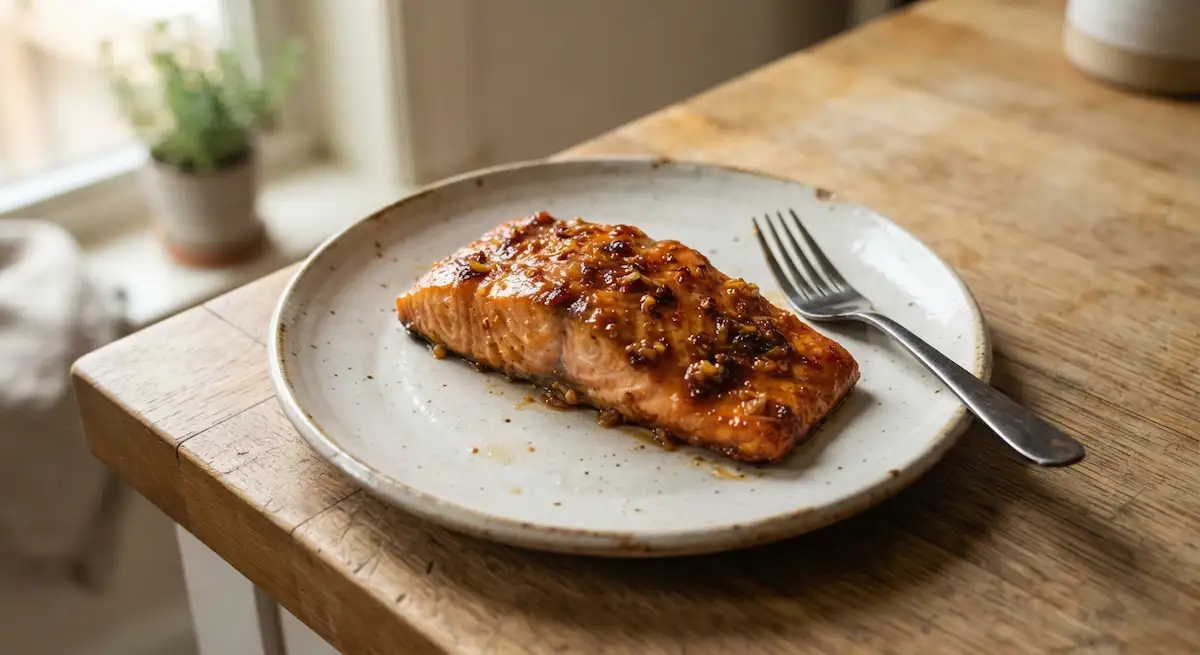
How to Make Amazing Honey Sriracha Salmon in 4 Easy Steps
What happens when you combine sweet honey with spicy sriracha and perfectly cooked salmon? Pure magic on your dinner plate. Honey sriracha salmon delivers that addictive sweet-heat combination that makes you reach for just one more bite, and it comes together faster than ordering takeout. This recipe has become my go-to when I want to impress dinner guests or simply treat myself to something special on a busy weeknight. Moreover, the glaze caramelizes beautifully under high heat, creating a sticky coating that balances the rich, buttery salmon underneath. In this guide, I’ll show you exactly how to nail this recipe every single time with minimal effort and maximum flavor.
Table of Contents
What Is Honey Sriracha Salmon
Honey sriracha salmon is a pan-seared or baked salmon dish coated in a glossy glaze made from honey and sriracha sauce. The honey provides sweetness and helps the glaze stick to the fish, while the sriracha brings heat and garlicky depth. Together, these two ingredients create a perfect balance that enhances the natural richness of the salmon without overpowering it.
This dish originated from the fusion food movement that combines Asian-inspired flavors with Western cooking techniques. The beauty of this preparation lies in its simplicity you need just a handful of ingredients, yet the result tastes like something from an upscale restaurant. Furthermore, the glaze works equally well whether you pan-sear, bake, or broil the salmon.
The key to success is using high-quality salmon fillets with the skin on, which helps hold the fish together during cooking and adds extra texture. Wild-caught salmon tends to have a firmer texture and more pronounced flavor, while farm-raised salmon offers a milder taste and higher fat content that stays incredibly moist. Either option works beautifully for honey sriracha salmon, so choose based on your preference and budget.
Why You Will Love This Honey Sriracha Salmon
First and foremost, this recipe is ridiculously quick. From start to finish, you’ll have dinner on the table in about 20 minutes, which makes it perfect for those evenings when you’re short on time but refuse to compromise on flavor. The actual hands-on cooking time is even shorter just a few minutes to prepare the glaze and cook the fish.
The flavor profile appeals to almost everyone. Even people who claim they don’t like spicy food often love this dish because the honey tempers the heat beautifully. You can easily adjust the spice level by increasing or decreasing the sriracha, making it family-friendly or fire-breathing depending on your preference.
Honey sriracha salmon is also remarkably healthy. Salmon provides omega-3 fatty acids, high-quality protein, and essential vitamins, while the glaze adds minimal calories compared to cream-based sauces. As a result, you get a nutritious meal that doesn’t feel like diet food.
The versatility is another major advantage. This salmon pairs beautifully with rice, quinoa, roasted vegetables, salad, or noodles. Additionally, the glaze technique works with other proteins like chicken, shrimp, or even tofu if you want to experiment beyond seafood.
Finally, the presentation is stunning. The caramelized glaze creates a beautiful sheen that makes the salmon look incredibly appetizing. Therefore, you can confidently serve this dish to guests without spending hours in the kitchen or stressing about complicated techniques.
Ingredients
For the Salmon
| Ingredient | Amount | Notes |
|---|---|---|
| Salmon fillets | 4 pieces (6 oz each) | Skin-on preferred; fresh or thawed |
| Olive oil | 1 tablespoon | For searing; avocado oil works too |
| Salt | ½ teaspoon | Kosher or sea salt |
| Black pepper | ¼ teaspoon | Freshly ground tastes best |
For the Honey Sriracha Glaze
| Ingredient | Amount | Notes |
|---|---|---|
| Honey | ¼ cup | Use pure honey for best flavor |
| Sriracha sauce | 3 tablespoons | Adjust based on heat preference |
| Soy sauce | 2 tablespoons | Regular or low-sodium works |
| Fresh lime juice | 1 tablespoon | Bottled works in a pinch |
| Garlic | 2 cloves, minced | Fresh garlic is essential here |
| Rice vinegar | 1 teaspoon | Adds brightness; substitute apple cider vinegar |
Optional Garnishes
| Ingredient | Amount | Notes |
|---|---|---|
| Green onions | 2 stalks, sliced | Adds freshness and color |
| Sesame seeds | 1 tablespoon | White or black for visual appeal |
| Fresh cilantro | 2 tablespoons, chopped | Love it or skip it |
The honey acts as the foundation of your glaze, providing sweetness and creating that glossy coating. Don’t substitute it with maple syrup or agave, as honey has unique properties that help it caramelize properly. The sriracha brings not just heat but also garlic and slight tanginess that complements the salmon perfectly. Meanwhile, the soy sauce adds umami depth and saltiness that balances the sweet elements.
How to Make Honey Sriracha Salmon Step by Step
Step 1: Prepare the Salmon and Glaze
Start by patting your salmon fillets completely dry with paper towels. This step is crucial because moisture prevents proper searing and creates steam instead of that beautiful caramelized crust you want. Once dry, season both sides of each fillet with salt and pepper, pressing the seasonings gently into the flesh so they adhere properly.
Next, prepare your glaze by whisking together the honey, sriracha, soy sauce, lime juice, minced garlic, and rice vinegar in a small bowl. Whisk vigorously until everything combines into a smooth, pourable sauce. The mixture should look glossy and homogeneous. Set aside about two tablespoons of the glaze in a separate small bowl you’ll use this for drizzling after cooking, which ensures you’re not using glaze that touched raw fish.
Step 2: Sear the Salmon
Heat a large skillet over medium-high heat and add the olive oil. Let the oil heat until it shimmers but doesn’t smoke. Carefully place the salmon fillets skin-side down in the pan, making sure not to crowd them. You should hear an immediate sizzle when the fish hits the pan.
Press down gently on each fillet with a spatula for about 10 seconds. This ensures the skin makes full contact with the pan and crisps up evenly. Let the salmon cook undisturbed for four to five minutes. Resist the temptation to move or flip the fish during this time. You’ll know it’s ready to flip when the flesh turns opaque about halfway up the sides and the skin releases easily from the pan.
Flip the salmon carefully and cook for another two to three minutes on the flesh side. The exact timing depends on the thickness of your fillets thicker pieces need slightly longer. Honey sriracha salmon tastes best when cooked to medium, which means the center should still be slightly translucent and moist.
Step 3: Apply the Glaze
Reduce the heat to medium-low and pour most of the glaze over the salmon fillets, reserving that two tablespoons you set aside earlier. Use a spoon to baste the salmon continuously, spooning the glaze over the top of each fillet. The heat will cause the honey to bubble and thicken, creating that signature sticky coating.
Continue basting for about two minutes, letting the glaze reduce and caramelize slightly. Watch carefully during this step because the honey can burn quickly if the heat is too high. The glaze should look thick and glossy, coating the salmon in a beautiful sheen. If the glaze starts to darken too quickly, remove the pan from the heat immediately and continue basting with residual heat.
Step 4: Finish and Serve
Remove the pan from heat and transfer the salmon fillets to serving plates. Drizzle each piece with a bit of the reserved fresh glaze that never touched raw fish. This final drizzle adds a bright pop of flavor that contrasts nicely with the cooked glaze.
Garnish your honey sriracha salmon with sliced green onions, sesame seeds, and fresh cilantro if using. The green onions add a mild onion flavor and beautiful color, while sesame seeds provide a subtle nutty taste and pleasant crunch. Serve immediately while the salmon is hot and the glaze is at its stickiest.
Storage and Make-Ahead Tips
Honey sriracha salmon tastes best when served fresh, but leftovers store reasonably well. Let any leftover salmon cool to room temperature, then transfer it to an airtight container. Store in the refrigerator for up to three days. The glaze may separate slightly during storage, but this doesn’t affect the flavor.
For reheating, avoid the microwave if possible because it tends to overcook salmon and make it dry. Instead, reheat gently in a 275°F oven for about 10 minutes until just warmed through. Alternatively, enjoy leftover salmon cold or at room temperature flaked over a salad, which is actually my preferred way to use leftovers.
You can prepare the glaze up to three days ahead and store it in the refrigerator. In fact, this actually improves the flavor as the garlic mellows and the ingredients meld together. Just give it a good whisk before using, as the honey tends to settle at the bottom.
I don’t recommend freezing cooked honey sriracha salmon because the texture suffers significantly upon thawing. However, you can freeze the raw seasoned salmon fillets with the glaze in freezer bags for up to two months. Thaw overnight in the refrigerator, then cook as directed. This makes for an incredibly convenient meal prep option.
For true make-ahead convenience, you can season the salmon and prepare the glaze in the morning, then keep everything refrigerated until you’re ready to cook dinner. This advance preparation means you’ll have the salmon on the table within 15 minutes of starting to cook.
Common Mistakes and How to Fix Them
The most frequent mistake people make is cooking salmon at too high a temperature for too long. Overcooked salmon becomes dry, chalky, and loses that buttery texture you want. Therefore, aim for medium doneness where the center is just barely opaque. Remember that salmon continues cooking from residual heat even after you remove it from the pan, so err on the side of slightly underdone.
Another common error is adding the glaze too early. If you pour the honey mixture over raw salmon at the beginning, it will burn before the fish cooks through. Always sear the salmon first until it’s nearly done, then add the glaze at the end just to caramelize and coat. This technique ensures perfectly cooked fish with a beautiful glaze.
Using wet salmon is a mistake that prevents proper browning. Always pat your fillets completely dry before seasoning and cooking. Any surface moisture creates steam, which prevents the Maillard reaction that gives you that delicious caramelized crust.
Many home cooks fear flipping salmon because it tends to stick and fall apart. The solution is patience—let the skin cook undisturbed until it naturally releases from the pan. If you try to flip too early and the fish sticks, it’s not ready yet. Wait another minute and try again. Properly seared skin should release easily when ready.
Finally, don’t skip the reserved fresh glaze. Using only the cooked glaze means you’re serving sauce that came into contact with raw fish. While the heat kills bacteria, setting aside fresh glaze for the final drizzle gives you brighter flavor and better food safety practices.
Variations
For a citrus twist on honey sriracha salmon, add orange zest and orange juice to the glaze. Replace the lime juice with fresh orange juice and add a teaspoon of grated orange zest. The orange flavor pairs beautifully with both the honey and the spicy sriracha while adding a sophisticated note.
If you want more heat, try adding fresh grated ginger along with the garlic. About a teaspoon of grated ginger brings a warm, spicy complexity that elevates the entire dish. Furthermore, ginger aids digestion and pairs naturally with Asian-inspired flavors.
Make it tropical by incorporating pineapple juice into the glaze. Replace half the honey with pineapple juice and add a tablespoon of pineapple chunks as garnish. This variation tastes like a vacation and works especially well for summer dinners.
For a thicker, more sauce-like consistency, create a cornstarch slurry by mixing one teaspoon of cornstarch with one tablespoon of cold water. Add this to the glaze after pouring it over the salmon, then let it bubble for about 30 seconds. The glaze will thicken dramatically and coat the salmon even more luxuriously.
Try a brown sugar version by replacing the honey with equal parts brown sugar. The molasses notes in brown sugar add deeper caramel flavors that some people prefer. You’ll need to add a tablespoon of water to help the sugar dissolve properly.
For garlic lovers, increase the garlic to four or five cloves. You can also add a quarter teaspoon of garlic powder to the dry seasonings for even more garlic punch throughout the fish.
Create a sesame variation by adding two teaspoons of toasted sesame oil to the glaze. This brings a nutty depth that transforms the entire flavor profile. Top with extra sesame seeds for a beautiful presentation.
Serving Suggestions
Honey sriracha salmon pairs beautifully with jasmine rice or brown rice that soaks up the extra glaze. I like to serve the salmon over a bed of rice with steamed broccoli on the side for a complete, balanced meal. The neutral rice provides the perfect backdrop for the bold flavors.
For a low-carb option, serve it over cauliflower rice or alongside roasted asparagus and brussels sprouts. The slight bitterness of cruciferous vegetables actually complements the sweet-spicy glaze wonderfully. Moreover, this combination keeps the meal light yet satisfying.
Create an Asian-inspired bowl by serving the salmon over soba noodles or rice noodles tossed with sesame oil and rice vinegar. Add edamame, cucumber ribbons, shredded carrots, and sliced avocado for a restaurant-quality grain bowl. Drizzle any extra glaze over the entire bowl for maximum flavor.
The salmon also works beautifully in tacos. Flake the cooked fish and serve it in warm corn tortillas with shredded cabbage, sliced avocado, cilantro, and a squeeze of lime. The contrast between the rich salmon and crisp vegetables creates incredible texture.
For an elegant dinner party presentation, serve smaller portions of honey sriracha salmon over a bed of coconut rice. The subtle sweetness of coconut rice harmonizes perfectly with the honey in the glaze while tempering the heat slightly.
Fresh sliced cucumbers tossed with rice vinegar, sugar, and salt make an excellent cooling side dish. The crisp, tangy cucumbers provide textural contrast and help balance the richness of the salmon.
Frequently Asked Questions
Can I use frozen salmon for honey sriracha salmon?
Absolutely! Just make sure you thaw it properly first. The best method is to thaw salmon overnight in the refrigerator. If you’re short on time, place the sealed salmon in a bowl of cold water and change the water every 30 minutes until thawed. Never thaw salmon at room temperature, as this creates food safety concerns. Once thawed, pat it very dry before cooking to achieve the best sear.
How do I know when salmon is done cooking?
The salmon is done when it flakes easily with a fork and the internal temperature reaches 125°F to 130°F for medium doneness. Insert an instant-read thermometer into the thickest part of the fillet. The flesh should be opaque on the outside with a slightly translucent center. Remember that it will continue cooking after you remove it from heat.
Can I make honey sriracha salmon in the oven instead?
Yes! Preheat your oven to 425°F and place the seasoned salmon on a parchment-lined baking sheet. Bake for 10 to 12 minutes, then brush with the glaze and return to the oven for another two to three minutes until the glaze caramelizes. For extra caramelization, finish under the broiler for 30 seconds to one minute, watching carefully to prevent burning.
What can I substitute for sriracha?
If you don’t have sriracha, you can use gochujang (Korean chili paste) thinned with a bit of water, sambal oelek, or even standard hot sauce mixed with a little ketchup to mimic sriracha’s texture. Each substitution will create a slightly different flavor profile, but all work reasonably well. However, sriracha’s unique garlic-forward heat really is ideal for this recipe.
Is honey sriracha salmon spicy?
The heat level is moderate and very manageable for most people. The honey balances the sriracha, so the result is more sweet-heat than fiery hot. If you’re sensitive to spice, start with two tablespoons of sriracha instead of three and taste the glaze before adding more. Conversely, spice lovers can increase the sriracha to four tablespoons or add red pepper flakes for extra kick.
Can I remove the salmon skin before cooking?
You can, though I recommend keeping it on during cooking even if you don’t plan to eat it. The skin helps hold the delicate fish together and prevents it from sticking to the pan. After cooking, you can easily slide a spatula between the skin and flesh to remove it if desired. The crispy skin is actually delicious when properly cooked, so consider giving it a try.
This honey sriracha salmon recipe has earned a permanent spot in my weekly rotation, and I’m confident it will in yours too. The combination of sweet honey and spicy sriracha creates a flavor bomb that transforms simple salmon into something extraordinary, all while requiring minimal effort and just a handful of ingredients. Whether you’re cooking for yourself on a Tuesday night or hosting friends for dinner, this recipe delivers consistent, restaurant-quality results that make you look like a culinary genius. Start with the basic recipe, then experiment with the variations to make it your own signature dish. Your taste buds will thank you.